

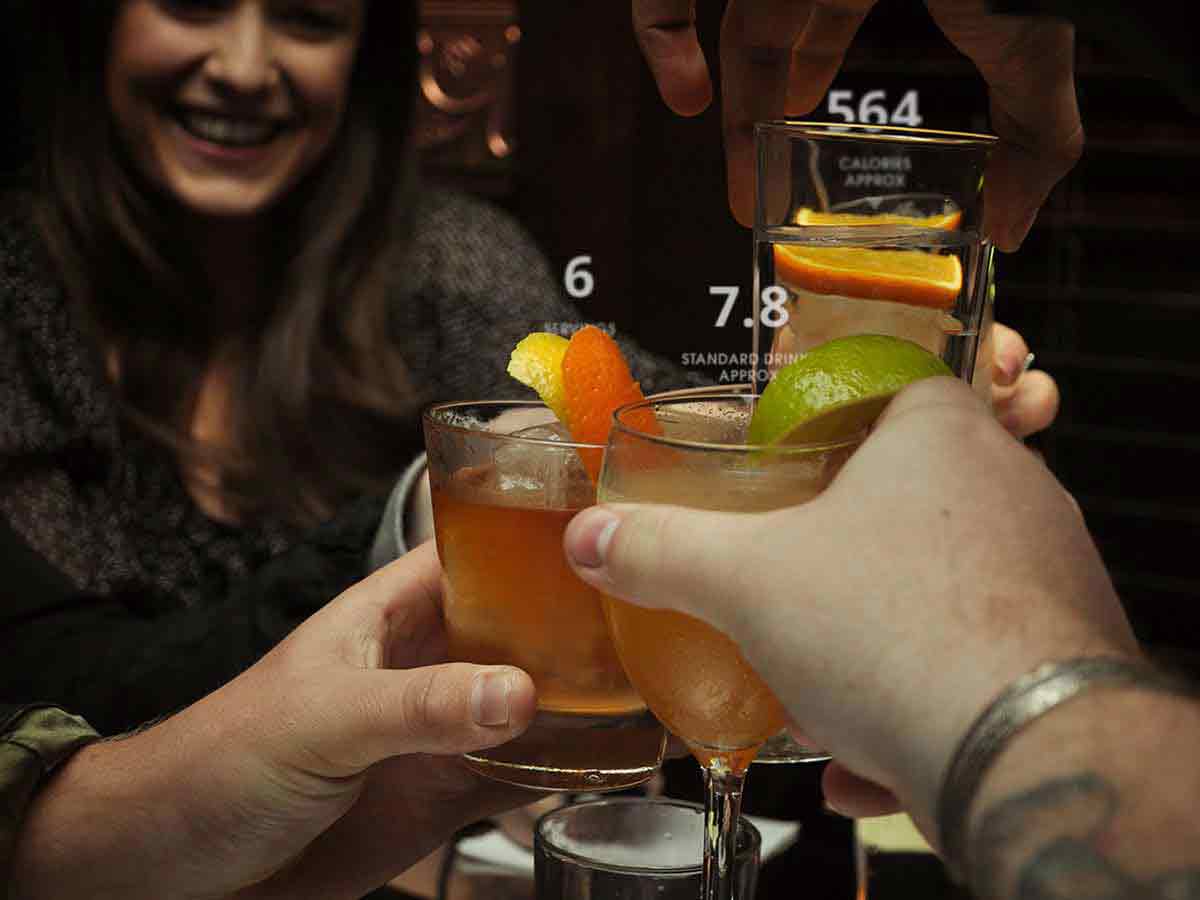






Binge drinking is not just about the number of drinks you have – it’s about drinking with the specific intention of ‘getting drunk’.
Binge drinking receives a great deal of media attention and can lead to shaping teens’ beliefs that this is the norm. There’s no denying that there are many young people who drink in risky ways, but there are many teenagers who are trying their best to keep themselves and their friends as safe as possible.
Australian research shows that in 2019 around 69%1 of minors reported abstaining from alcohol (up from 31.1% in 2001). The average age of initiation (i.e. the first time they consumed alcohol) has increased from 14.7 years in 2001 to 16.1 years in 2022-23. 2
That means there’s only a minority of kids who are drinking alcohol – but they’re still obvious and influential. So it’s important that parents recognise their influence as role models on their teens.
Some young people ‘preload’ to save money – quickly drinking large amounts of alcohol at home before heading out. Often they’re already intoxicated before they walk out the front door. By the time they get to where they’re going their judgement is clouded, causing them to continue drinking more than they intended to – which is dangerous, and means they don’t save money at all.
If your teenager is one of those in the minority who are drinking and / or getting drunk there could be other factors at play. Perhaps there are other influences in their lives (peers, older siblings, relatives) or problems that you’re unaware of. Don’t be afraid to ask the tough questions. You can find helpful tips to talk to your teen about alcohol right here on the DrinkWise website.
You can also seek professional help from a GP or get a referral for a health professional with expertise in the area.
DrinkWise - Kids and Alcohol Don't Mix brochure
More information
The following resources may help you say nay to underage teenage drinking and plan to have a conversation with your teenager:
- It’s okay to say nay
- Talking to your teen about alcohol
- Developing a consistent approach to teen drinking with your partner
- Is supplying alcohol to teens legal?
- Setting family rules around alcohol
- Is your drinking influencing your kids?
- DrinkWise campaigns for parents
- Alcohol and your health – DrinkWise body health tool
- Dr Andrew Rochford – Kids and Alcohol video
- Dr Andrew Rochford – Delaying underage teenage drinking
References
- In 2022-23, 69% of underage teenagers (14-17 years) abstained from drinking alcohol in the previous 12 months (National Drug Strategy Household Survey, 2022-23).
(NB: this statistic is an updated calculation of underage abstinence and consumption rates as recommended by AIHW and in line with the 2020 Australian Alcohol Guidelines.) - Among those who were recent and ex-drinkers aged 14-24 years, the average age of initiation (i.e. the first time they consumed alcohol) was 16.1% in 2022-23, which has increased from 14.7 years in 2001. (National Drug Strategy Household Survey, 2022-23).